
The B. family

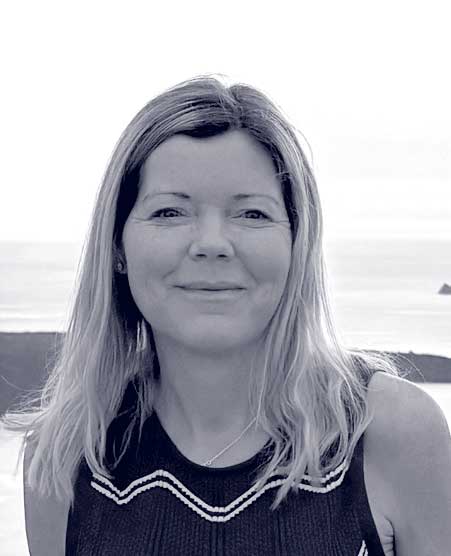
For Helen and her family, epilepsy arrived without warning

Her son was a healthy, active three-year-old when he began experiencing unusual symptoms that quickly developed into severe seizures. Within weeks, he was having seizures throughout the day and night. As his condition worsened, he lost the ability to speak, struggled to eat and spent much of his time in hospital rather than at nursery with other children.

What followed was a relentless cycle of hospital admissions, emergency treatments, specialist investigations and major surgical procedures. He was experiencing dozens of seizures every day and required intensive care. Over the years he has undergone extensive testing, invasive brain monitoring and epilepsy surgery, while trying multiple medications and specialist dietary interventions.
The only way to really cope is not to think beyond the here and now and just be present and enjoy what we've got.

Four and a half years later, he continues to live with refractory focal epilepsy. The condition affects his learning, his social development and his ability to live independently. Frequent seizures, particularly at night, mean he cannot safely be left alone. Even simple aspects of childhood require careful planning and support.

While epilepsy affects him directly, it has also reshaped life for his family. His parents’ daily routine revolves around managing risk, attending appointments and adapting to changing treatment plans. Career decisions have been influenced by heightened caring responsibilities, while the uncertainty surrounding his condition remains a constant presence.

Perhaps the most difficult challenge has been making decisions on their son's behalf. Faced with complex treatment options, high levels of uncertainty and significant risks, Helen and her husband have had to weigh the potential benefits of further resective surgery in controlling his seizures against its potentially life-changing risks.

Helen remains focused on creating opportunities for her son and helping him experience as much of childhood as possible. She has become a determined advocate for her son, seeking information, exploring emerging research and supporting his development every step of the way.

Their story demonstrates that refractory epilepsy affects far more than the person experiencing seizures. It can shape the lives of entire families, demanding extraordinary resilience and hope in the face of ongoing uncertainty.