
Alisa Worley

Alisa has spent almost her entire life living with epilepsy

Diagnosed after severe febrile seizures at aged 2 years and has never know a life without epilepsy. She has experienced the challenges of seizures, medication side effects, surgery and the uncertainty that comes with a lifelong neurological condition.

The condition has impacted every stage of her life, yet she has consistently found ways to adapt and progress.

Today, Alisa is a Lead Epilepsy Specialist Nurse at a teaching hospital in West Yorkshire, helping people navigate many of the same challenges she has faced herself. Her professional expertise is built not only on clinical training, but also on decades of personal experience.
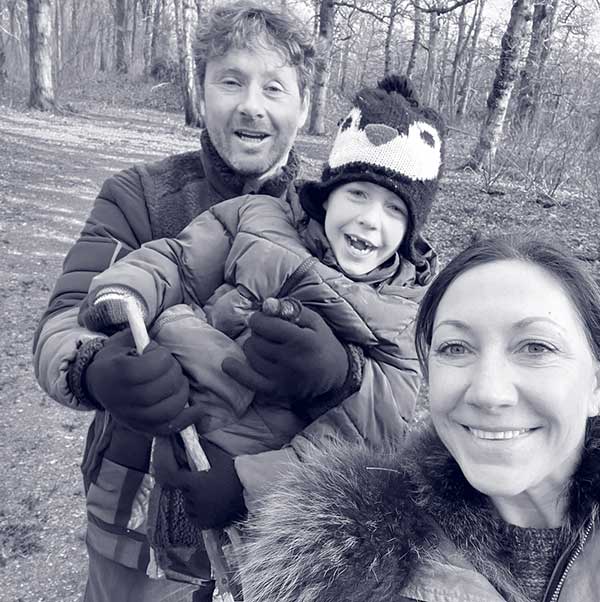
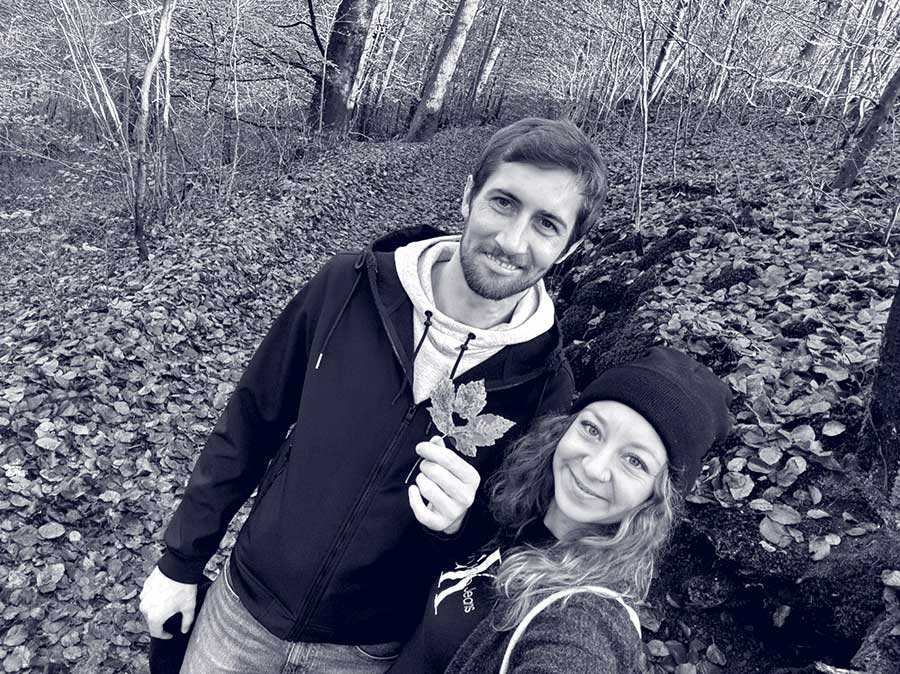
People with epilepsy have got a lot of value. There shouldn’t be that stigma of not being able to add value in society.

Growing up, epilepsy presented obstacles that were often invisible to others. Medication affected her concentration and cognitive processing, making education a struggle that nobody could see. Seizures could occur unexpectedly and occasionally placed her in vulnerable situations. Later, epilepsy influenced major life events, including pregnancy resulting in preterm birth. She has dealt with challenges of navigating employment and discrimination in the workplace, and as with all people who have epilepsy, the loss of her driving licence.

Resective surgery significantly reduced the number of seizures she experienced, and transformed her quality of life, but it was not a cure. Seizures eventually returned, and she continues to manage the condition with multiple anti-seizure medications. The side effects remain a daily reality, requiring careful balance between seizure control and maintaining the life she has built.

Along the way, Alisa encountered misunderstanding and discrimination; epilepsy influenced how others viewed her abilities and potential. Those experiences strengthened her determination to challenge assumptions about what people with epilepsy can achieve.

I’ve never let anything get me down. My parents never wanted me not to meet my full potential.

In her job, her lived experience gives her a unique perspective, allowing her to understand concerns that would be hard to learn from textbooks.

Alisa feels that one of the biggest challenges is not always the seizures themselves, but the assumptions people make about epilepsy. Too often, she says, people underestimate both the impact of the condition and what those living with it are capable of achieving.

Alisa’s story highlights the persistence that’s needed to deal with the complexity of life with refractory epilepsy.